
Why a Card-Based Hardware Wallet Feels Different — and Why That Matters
Okay, so check this out—card-shaped crypto wallets are sneaking up on people. Wow! They feel like a credit card. They fit in a wallet. But they do something that cold-storage USB sticks and seed phrases often don’t: they make security feel visible and almost tangible. On first glance that comfort is subtle. My gut said, this is clever. Initially I thought the form factor was just novelty, but then I realized it’s a UX rethink that actually changes behavior.
Whoa! The moment you tap a card to your phone, there’s an odd mix of tech and ritual. Short. It clicks in. Then you breathe a tiny sigh because it seemed safer—like closing a door. I’m biased, but that little ritual matters. It makes people treat keys like physical objects instead of ephemeral phrases floating in a notes app. Hmm… something felt off about how we previously taught people to “secure their seed.” Too many steps. Too many chances to mess up. Though actually, wait—let me rephrase that: the seed-phrase method is robust mathematically, but fragile socially.
Card wallets like Tangem lean on a minimalist, single-object approach. Simple. You tap. You sign. No complicated cable, no extra software bridging. My instinct said this could help adoption, though it introduces its own trade-offs. On one hand you lose the “stubborn do-it-yourself” vibe of a ledger plus backup. On the other hand you gain something user-friendly that people will actually use correctly. Initially I worried about single-point failure. But there are ways to mitigate that—more on those later.
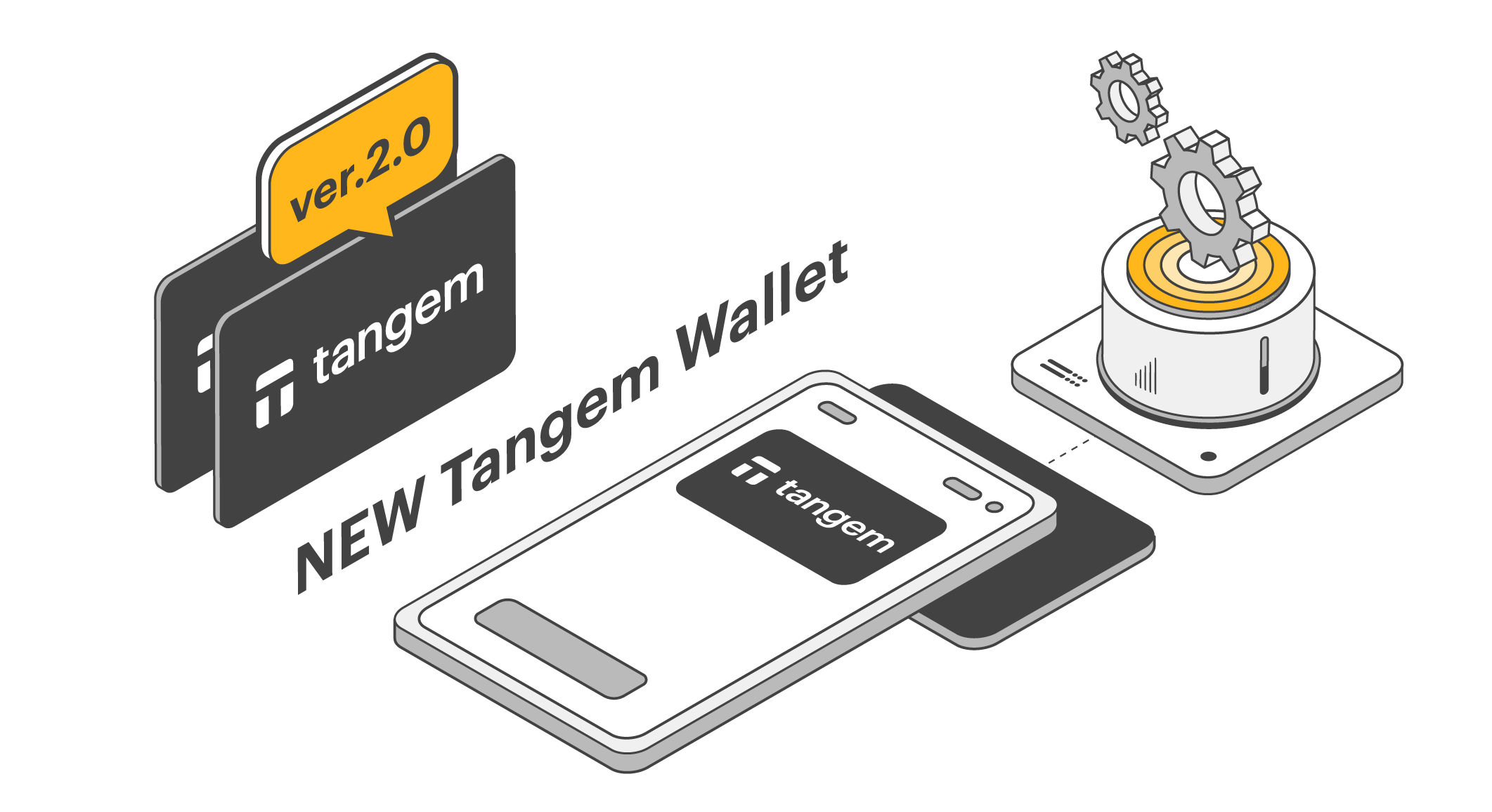
How Tangem-style cards change the mental model
Think in pictures: a tiny card in your wallet versus a typed list in a drawer. The difference is behavioral. My first encounter with a card wallet felt almost like sliding a hotel key into my pocket: routine, repeatable, low drama. Seriously? Yes. I used to ask people to write down 24 words on paper. They’d lose that paper, or take a photo, or leave it in a desk drawer. The card makes the private key itself portable but not copyable in the usual ways, which is both comforting and slightly unnerving.
Initially I thought that making private keys physical would be dumb because physical items get lost. But actually, let me walk that back—physical items also get remembered. You put a card next to your credit card. You feel it when you reach for it. That memory anchor reduces risky shortcuts. On one hand, you still must plan for loss. On the other hand, people stop doing unsafe things, like storing seeds in phone notes. This is a trade-off, not a panacea.
There’s a practical side too. Card wallets typically use a secure element that never exposes the private key, and they rely on NFC for signing, which removes pairing complexity. Short. No cords. That alone fixes a lot of support tickets I’ve seen. But it’s not perfect. Designs vary. Some cards are truly tamper-evident. Others are less so. You have to read the spec. And yes, I’m lazy about manuals sometimes, but this is very very important when it comes to recovery strategies.
Here’s what bugs me about the ecosystem: marketing sometimes conflates convenience with security. They throw around “air-gapped” and “cold” as buzzwords. Hmm… not all air-gapped solutions are equal. A card that you can tap isn’t necessarily “online” in the same way as a mobile hot wallet, but the risk model changes. You trade attack surfaces. You avoid keyloggers and remote thefts but must consider physical coercion and loss. I’m not 100% sure there’s a one-size-fits-all answer.
Okay, practical checklist time. Short. First: decide your threat model. Second: choose whether a single-card approach fits your backup tolerance. Third: consider multi-card or split-key schemes if you’re protecting large sums. Initially I thought single-card backup was enough for most folks, but after seeing a few real-world recoveries and failures, I now recommend having at least one tested recovery plan that doesn’t rely on the same wallet sitting in your pocket.
Check this out—if you’re curious about a specific product that nails the card experience, take a look at Tangem’s approach and how they make the card feel like a self-contained vault: https://sites.google.com/cryptowalletextensionus.com/tangem-wallet/ Short. That site covers the basics, the security model, and real-world use cases. I’m telling you this because it’s one of the clearer explanations I’ve seen without a ton of fluff. (oh, and by the way… I still read the fine print.)
Now let’s talk recovery. Long. If the card is lost, who recovers access? You can pair the card with a recovery seed stored offline, or use a multi-card backup strategy where parts of the key are divided between trusted parties or split using Shamir’s Secret Sharing. Each option has pros and cons: seeds are familiar but risky if mishandled; multi-card backups reduce single-point failure but increase coordination costs; sharing introduces trust assumptions that many people don’t want. Initially I leaned hard into Shamir splits for big accounts, but I’ve adjusted my preference toward hybrid setups that combine an encrypted paper backup with a duplicate card stored securely.
On performance and daily use, long thoughts matter: tapping a card for a quick transaction feels smoother than booting a hardware dongle and wrestling with cables, yet for heavy trading or multisig operations you might still prefer a more flexible device. There’s also the question of firmware updates and vendor locks. Some cards are closed ecosystems and require vendor software to manage. That has convenience but creates dependency. Others are more open. Weigh that.
Here’s a quick set of practical tips I keep in mind. Short. 1) Treat the card like cash: don’t flash it around. 2) Test recovery before you need it—actually perform a restore on a different device. 3) Keep a tamper-evident duplicate in a safe if you’re guarding a lot of value. 4) Don’t store a seed on a phone, no matter how convincing the app seems. 5) Consider insurance or legal arrangements for very large holdings. These are not glamorous, but they work.
FAQ
Is a card wallet safer than a seed phrase?
Short answer: it depends. A card wallet reduces certain digital attack vectors and encourages better user behavior, but it introduces physical risks. On balance, for many users the card is a net improvement because it reduces user error—where most losses happen. My instinct said the human factor wins more often than pure cryptography in everyday scenarios.
What happens if I lose my Tangem-style card?
There are options. You either restore from a pre-made backup (seed or encrypted recovery), use a duplicate card you stored, or rely on a vendor-supported recovery mechanism if available. Initially I assumed vendor support was enough, but actually you should control your own recovery to avoid central points of failure.
Can these cards be cloned?
Not in the straightforward way a phone contact might be copied. The secure element is designed to prevent private key extraction. That said, any system can have implementation flaws. So vet the vendor, read audit reports, and err on the side of conservative assumptions.